You can define dependencies between tasks and the app will automatically calculate the schedule for you.
There are three ways to manage dependencies:
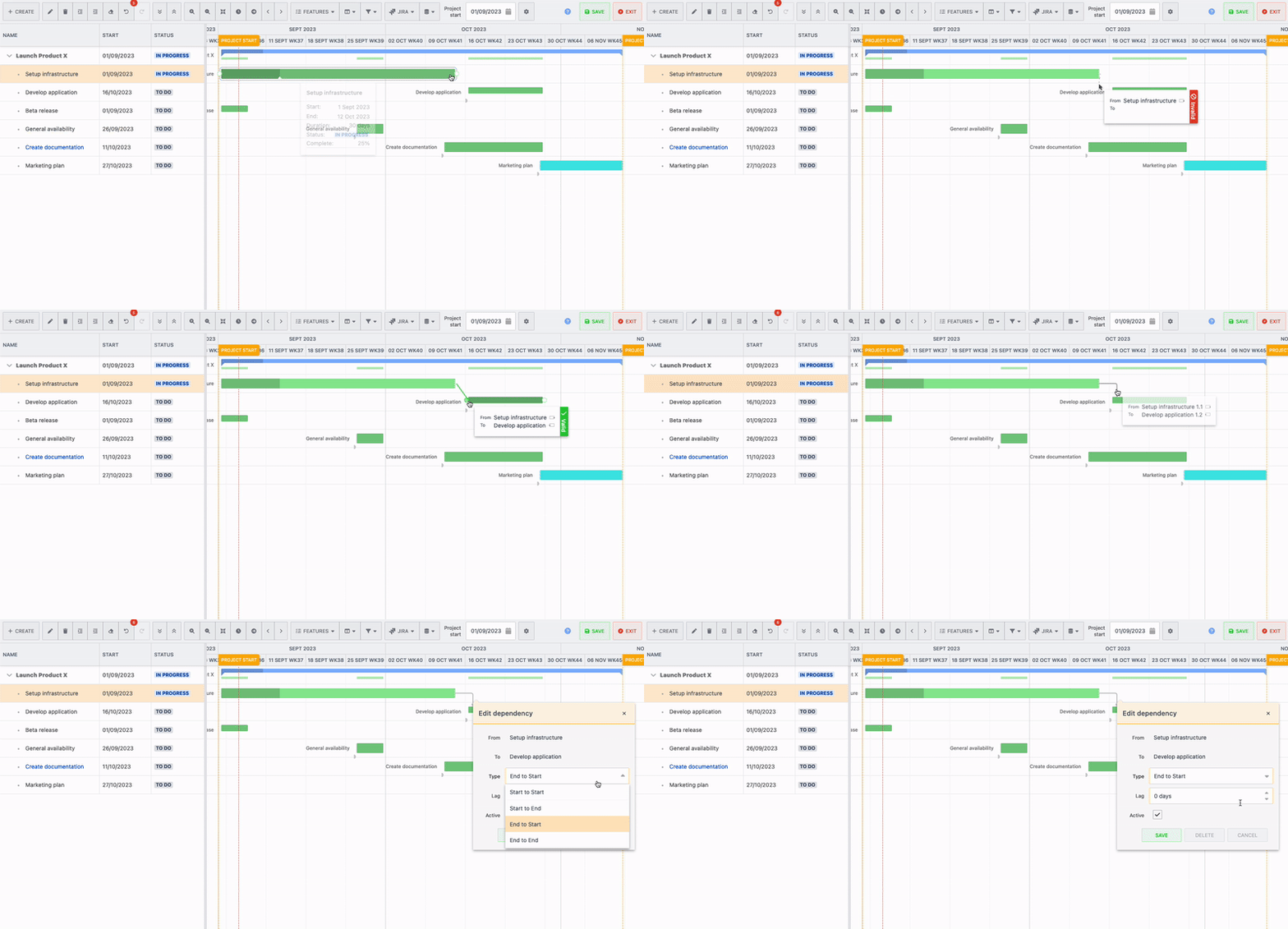
Use chart objects
-
Drag-and-drop to create dependencies.
-
Click dependency lines to edit type and lag or delete dependencies.
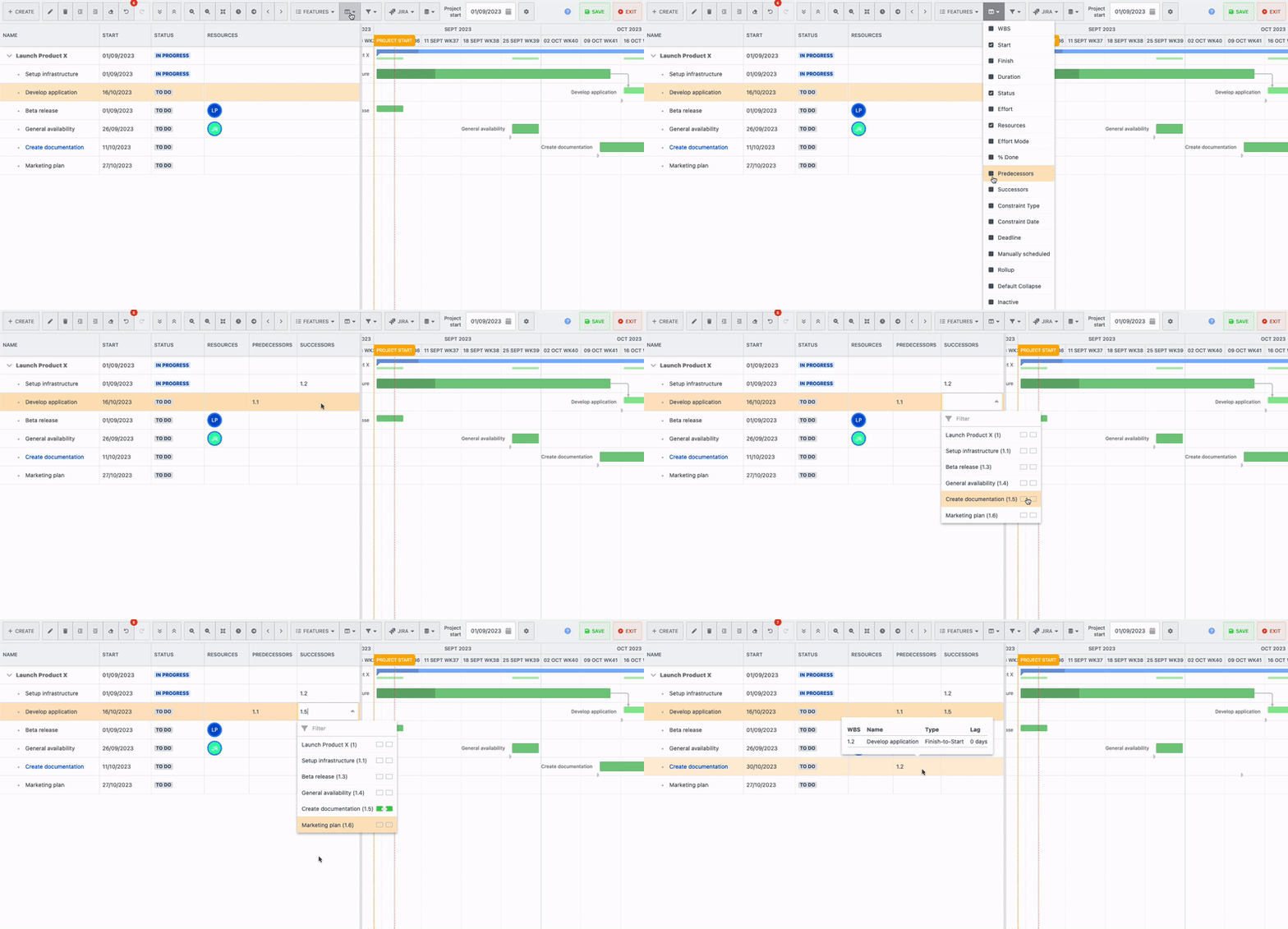
Use the dependency columns
-
Show the predecessors or successors column
-
Double-click the cell to edit the value
-
Click tasks in the task picker or edit text value to edit dependencies
Format of the predecessors and successor columns.
-
The format of the dependency columns is [WBS code][Dependency type][Lag].
-
The dependency type can be SS, SF, FS, or FF. S means Start. F means Finish. e.g. FS means Finish to Start.
-
The lag format is [Sign][Number][DurationUnit]. e.g. +3d, -2w. If you omit the duration unit, it will be days.
-
Dependency type and lag can be omitted.
-
If you omit the dependency type, the dependency type will be Finish to Start.
-
If you omit the lag, the lag will be none.
-
-
You can set multiple dependencies by separated by “;“.
Examples
-
3.2;4.2.4
-
There’re two dependent tasks, the WBS codes are 3.2 and 4.2.4.
-
The dependency types are Finish to Start.
-
The lags are none.
-
-
1.2FF+2;2.4-3w
-
There’re two dependent tasks, the WBS codes are 1.2 and 2.4.
-
The dependency type of 1.2 is Finish to Finish. And the dependency type of 2.4 is Finish to Start.
-
The lag of 1.2 is 2 days. And the lag of 2.4 is -3 weeks.
-
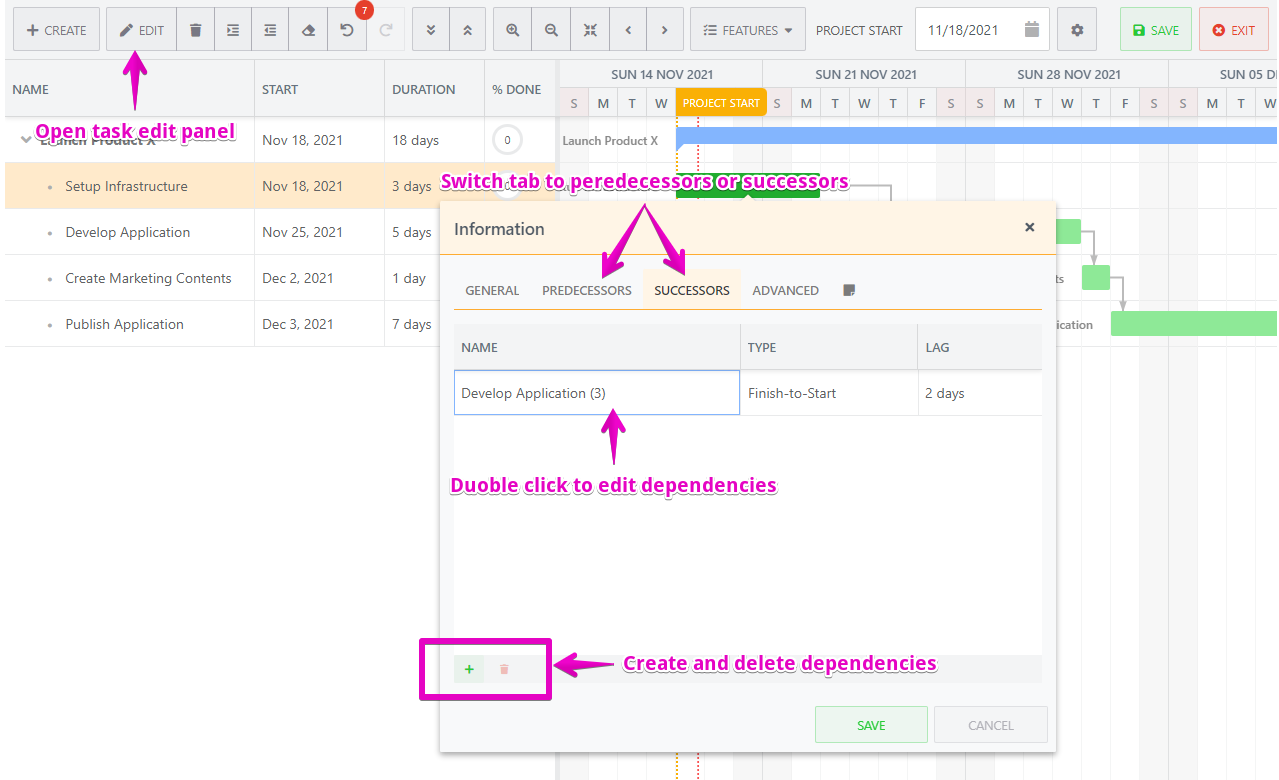
Use the task edit panel
-
Open the task edit panel.
-
Switch the tab to predecessors or successors.
-
Manage dependencies.
-
Close the edit panel by clicking the save button.